
Skylights
Skylight Replacement in the Lower Mainland: 5 Signs It’s Time
- Adam, Evolution Glazing
- Updated
- 5 min read
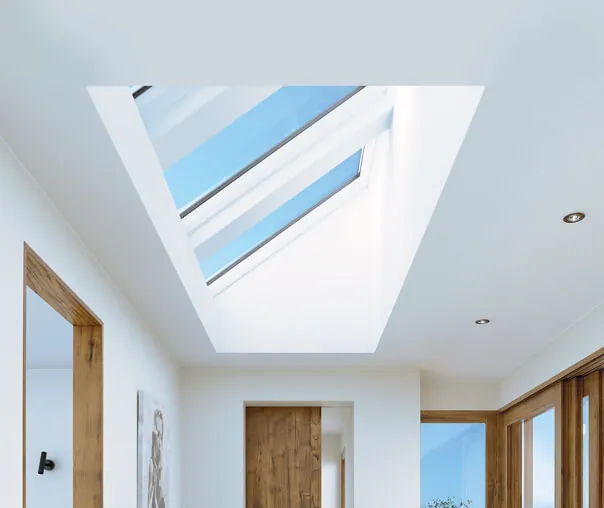
Quick answer
You should replace a skylight when it leaks repeatedly, the sealed glass has fogged between panes, the glass is cracked, the frame is warped or rotting, or you are replacing the roof and the skylight is near the end of its life. In the Lower Mainland’s wet climate, most skylight problems start with failed flashing, so replacement should always include new flashing and membrane.
1. Repeated leaks after heavy rain
Water stains on the drywall around the shaft usually point to failed flashing or membrane at the curb. If leaks return after resealing, replacement with new flashing is the lasting fix.
2. Fog or moisture between the panes
Fogging inside a double-glazed unit means the seal has failed. The unit has lost insulating value and will not clear up with cleaning.
3. Cracked or crazed glass
Falling branches, hail or age can damage skylight glass or acrylic domes. Damaged skylights should be replaced promptly to prevent water entry.
4. Warped, rotting or rusting frames
Older wood curbs and frames in shaded, damp locations — common on the North Shore and in Maple Ridge — can rot, compromising the seal.
5. You are replacing the roof
If your skylight is more than 15–20 years old, replacing it at the same time as the roof avoids tearing into new roofing later and ensures flashing is integrated properly.
What does skylight replacement involve?
A typical replacement follows these stages:
- Inspection of the skylight, curb, roofing and interior shaft
- Removal of the old unit and damaged flashing
- Repairs to the curb and framing where needed
- Installation of the new skylight with membrane and flashing kit
- Interior finishing and water testing